Homeowner's Guide to planning your paving project
Homeowner's Guide to planning your paving project
Blog Article
Trustworthy Paving Contractor for Dependable Driveways and Roads
Selecting a trustworthy asphalt specialist is essential for creating durable pavements and thoroughfares. Proper selection guarantees durability and excellence in paving projects. Factors such as qualifications, customer feedback, and technical knowledge significantly impact the outcome. Comprehending the nuances of pricing and aftercare can additionally improve the selection procedure. As property owners consider their choices, several key aspects require careful evaluation to obtain a acceptable investment. What should they prioritize in their search?
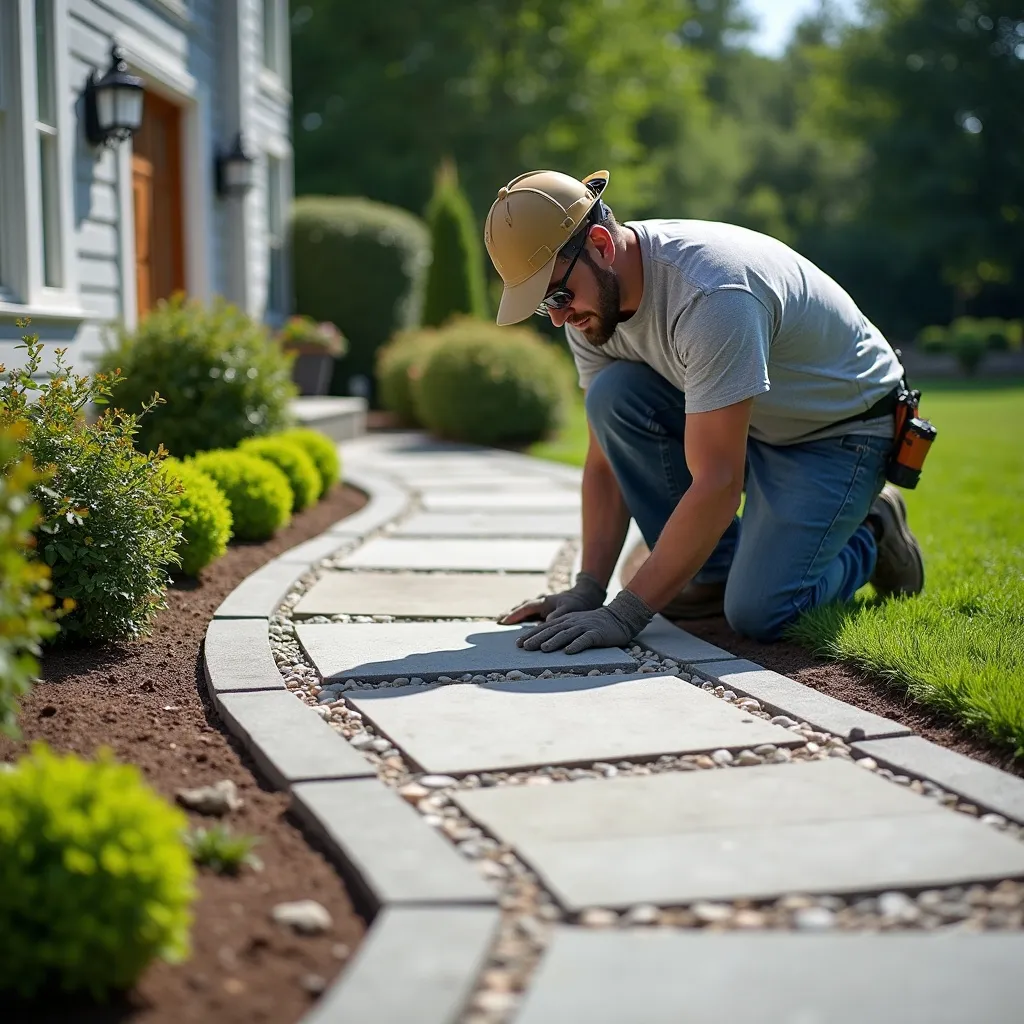
Guide to Identifying an Qualified Paving Contractor
When selecting an skilled paving contractor, one might ponder what critical elements to evaluate. First, it is crucial to examine the contractor's certifications, including authorizations and insurance, to ensure adherence with local regulations and defense against liabilities. Next, reviewing customer testimonials and prior work examples can provide insight into the contractor's quality of work and reliability.
Furthermore, obtaining multiple quotes can help in gauging the market rate for services and highlighting any concerns, such as unusually low bids. Experience in specific paving types, including residential driveways or commercial parking lots, is an key point, since expertise often produces better outcomes. Communication skills remain essential; a contractor should be quick to reply and open to resolving any questions or concerns. Lastly, examining guarantees offered can reflect the contractor’s assurance in their work and commitment to customer satisfaction.
Best Components for Your Driveway
When selecting materials for a driveway, homeowners often consider the pros and cons of asphalt and concrete. Each option presents distinct features that can affect durability and cost. Additionally, gravel offers a more budget-friendly alternative but comes with its own set of benefits and drawbacks.
Asphalt vs. Concrete Choices
Which type gives the superior blend of wear resistance and cost for driveway construction: asphalt or concrete? Asphalt is commonly favored for its lower initial investment and rapid assembly. It typically provides a smooth exterior that can bear harsh climatic situations, positioning it a realistic choice for many homeowners. However, asphalt requires routine servicing, including waterproofing and resurfacing, to maintain its working life.
On the other hand, concrete is celebrated for its longevity and minimal upkeep needs. With correct placement, concrete driveways can endure over 30 years. Additionally, concrete offers a variety of visual choices, including decorative finishes. While the initial investment is higher, the lower upkeep requirements can render it a cost-effective solution over time. Ultimately, the choice depends on individual preferences and budget.
Gravel Upsides and Limitations
Although asphalt and concrete remain popular selections for driveways, gravel also offers a viable alternative with its distinct pros and cons. A notable advantage of gravel is its cost-effectiveness; it typically entails a lower initial cost relative to asphalt and concrete. Moreover, gravel ensures excellent drainage, decreasing the possibility of water pooling. Nevertheless, it comes with its own set of challenges. Gravel driveways frequently need maintenance, including periodic replenishment and raking to keep the surface even. In addition, they may cause problems with erosion and can be less stable in high-traffic zones. Ultimately, the choice to use gravel should weigh both its affordability and the homeowner’s readiness to commit to constant upkeep.
Reviewing Client Comments: What to Look For
In what ways can prospective customers discern the excellence of a paving contractor through customer reviews? Examining these reviews requires attention to specific factors. First, clients should look for overall ratings; a high average score often indicates satisfactory service. Next, the number of reviews is vital; a larger collection provides a more reliable picture of the contractor's performance.
Clients should also examine the details of individual feedback. Positive input about efficiency, dialogue, and work quality is fundamental. Additionally, consistent patterns in negative reviews, such as lacking customer service or project delays, can denote potential issues.
Moreover, comments from the contractor to reviews reveal their competence and resolve to customer satisfaction. Lastly, consider feedback from multiple channels to gain a complete outlook. By prioritizing these elements, potential buyers can make informed choices about their paving contractor.
Crucial Questions to Present to Your Paving Contractor
When selecting a asphalt professional, inquiring properly can significantly influence the project's outcome. It is essential to inquire about the professional background and the kinds of work they have finished. Understanding their method for selecting materials and applying techniques can also shed light on the quality of work to expect.
Prospective customers should inquire regarding licensing and insurance to guarantee the contractor meets legal requirements and is safeguarded from potential liabilities. Additionally, discussing the timeline for project completion and any potential delays is crucial.
Inquiring about guarantees on both supplies and workmanship can protect the investment. Finally, it's beneficial to ask for testimonials or samples of past projects to assess the builder's dependability and quality. These inquiries not only clarify expectations but also create a basis for strong communication throughout the project.
Paving Rates: What to Plan For
Understanding construction expenses is necessary for property dwellers evaluating a project. Numerous factors, like material options and expense levels, considerably determine the overall expense. Moreover, reviewing enduring benefits can help in making informed decisions about paving expenditures.
Elements Modifying Asphalt Expenses
Many factors influence paving expenses, making it essential for property owners to comprehend the variables at play. One notable aspect is the size of the area to be paved; larger spaces typically incur higher costs due to increased material and labor requirements. Additionally, site conditions, such as soil quality and drainage, can affect pricing, as extensive preparation may be needed. Local labor rates also play an important role; areas with a higher cost of living often have elevated labor expenses. Moreover, the complexity of the project, including intricate designs or existing structures, can lead to added costs. Finally, seasonal factors may influence pricing, as contractors often adjust rates based on demand fluctuations throughout the year.
Material Options and Price
Multiple paving options profoundly affect installation costs, each supplying distinct perks and variable pricing. Asphalt, valued for its cost-effectiveness and quick installation, typically ranges from $3 to $5 per square foot. Concrete, while more durable, can cost between $4 and $8 per square foot, depending on finish and thickness. Pavers, built from brick or stone, furnish aesthetic appeal but usually range from $10 to $20 per square foot, including installation. Additionally, permeable paving options, which facilitate water drainage, often cost more due to their specialized materials and sophisticated installation processes. Homeowners should consider these options carefully, assessing initial outlays with desired longevity and practical needs for their driveways and roads.
Importance of Guarantees and Post-Purchase Services
When selecting a reliable paving contractor, the importance of warranties and support services cannot be overlooked. Warranties serve as a protection for clients, assuring that any defects in materials or construction quality are addressed without additional costs. A well-regarded contractor typically provides an extensive warranty that demonstrates their trust in the quality of their work.
Apart from warranties, aftercare services represent an essential role in maintaining the longevity of paved surfaces. Consistent maintenance, such as seal coating and crack filling, can prevent more extensive damage and costly repairs down the line. A contractor that provides continuous care demonstrates a pledge toward customer satisfaction and the durability of their work.
Therefore, coverage and follow-up assistance not only amplify the benefit of the early expenditure but also provide confidence for homeowners and businesses alike. A solid contractor gives priority to these aspects, cementing credibility and persistent bonds with stakeholders.
Frequently Questioned Topics
What duration Should You Expect for the driveway paving?
The asphalt laying procedure typically takes one to three days, based on the scope and intricacy of the project. Factors such as weather, site preparation, and discover more material selection can also affect the total duration considerably.
What Weather Factors Affect Paving Work?
Weather conditions greatly influence paving work. Rain, snow, and extreme temperatures can delay projects, while humidity levels impact the curing process. Ideal conditions, typically dry and mild, ensure better adhesion and durability of the pavement.
How Do I Preserve My Newly Laid Driveway?
Preserving a new driveway demands regular cleaning, sealing every few years, and repairing cracks quickly. Preventing excessive weight and using appropriate snow removal techniques will also prolong its lifespan and maintain its look.
Are there eco-friendly pavement choices available?
Indeed, multiple eco-friendly pavement solutions exist, featuring permeable pavers, reused asphalt materials, and alternative concretes engineered from eco-conscious resources. These choices aid in lowering environmental impact while delivering practical and durable coatings for paths and driveways.
Do I Need a Authorization for Paving Undertakings?
Often permits are required for paving projects, following local guidelines. Homeowners should consult their municipal planning department to figure out detailed specifications, ensuring adherence and avoiding potential costs or construction interruptions during construction.
Report this page