Why Choose New Westminster top Concrete Contractor for Your Project
Why Choose New Westminster top Concrete Contractor for Your Project
Blog Article
Skilled Concrete Contractor for All Your Building Projects
Selecting a veteran concrete contractor is vital for the prosperity of any construction project. Their expertise guarantees that tasks are accomplished effectively and to a high standard. These professionals manage challenges with expertise and have long-standing partnerships that ease material sourcing. Understanding local regulations and emphasizing safety are also important elements of their role. Yet, many fail to recognize the enduring rewards of choosing the right contractor. What factors should one consider when making this significant choice?
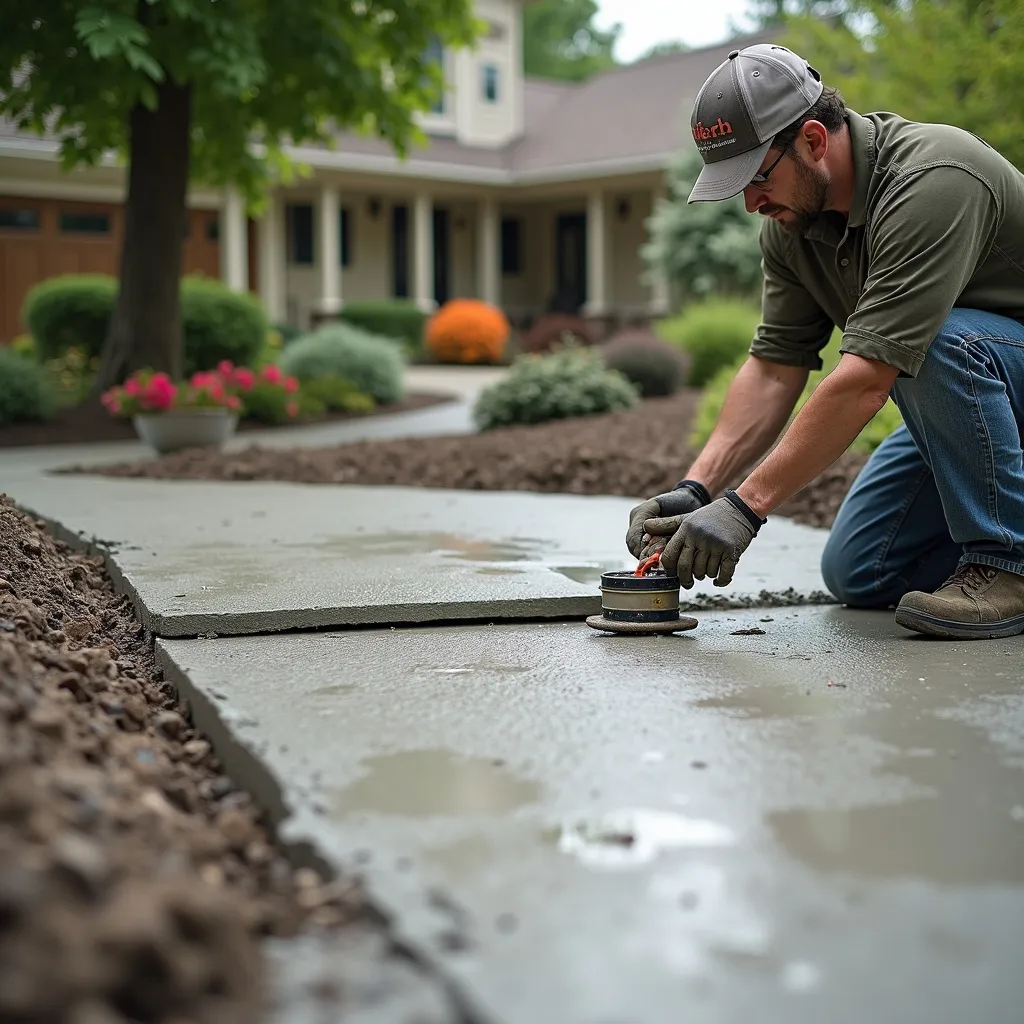
Why Employing an Experienced Concrete Contractor Is Important
When evaluating a building endeavor, the importance of hiring an experienced concrete contractor cannot be overstated. An skilled contractor brings a vast amount of expertise and abilities that are essential for ensuring the standards and longevity of concrete work. Their familiarity with multiple methods and resources enables for better choices, ultimately producing a more robust and reliable structure.
Also, seasoned contractors are skilled at navigating likely difficulties that may arise during the construction process. They are equipped to address unforeseen complications effectively, minimizing holdups and supplementary expenses. In addition, an veteran contractor frequently has developed connections with suppliers and subcontractors, which can enhance the procurement of materials and resources.
Essential Qualities of a Reliable Concrete Contractor
A trustworthy concrete construction specialist has several crucial characteristics that set them apart in the building sector. First and foremost, excellent communication abilities are fundamental; they ensure that customers are kept updated during the entire project, fostering trust and clarity. Furthermore, a strong track record established through positive customer feedback and referrals indicates a contractor's reliability and quality of work.
Furthermore, expertise with various concrete applications, paired with knowledge of view details the latest techniques and materials, allows them to generate superior results. Detailed attention is another significant quality, as it assures precise measurements and exceptional standards of workmanship.
Ultimately, a dedication to safety and compliance with rules reflect professionalism and responsibility. By embodying these attributes, a reliable concrete contractor not only meets client requirements but also contributes to successful project outcomes, rendering them essential in the construction industry.
Tips for Selecting the Ideal Concrete Project for Your Situation
Deciding on the correct concrete assignment requires thorough thought of defined needs and objectives. Individuals should begin by evaluating the intended use of the concrete, whether for driveways, foundations, or decorative elements. A clear knowledge of the project's purpose guides the selection of materials and methods.
Next, budget constraints exert an critical role. Reviewing existing budgetary resources helps in determining the scale and complexity of the project. Additionally, the local climate can shape the choice of concrete option and finishing approaches, providing resilience and lasting quality.
It is also important to take into account the schedule for completing your project. Some concrete work demand time for curing, which may affect scheduling. Speaking with an skilled concrete professional can provide useful information into the best practices and available options. In the end, matching the project's specifics with individual needs results in a successful concrete undertaking that meets the desired outcomes.
What You Should to Grasp About Local Concrete Regulations?
Grasping local concrete codes is vital for any building initiative, as these rules establish various aspects of concrete employment, including material specifications, application techniques, and environmental considerations. These codes are typically formulated by city or state authorities and can change substantially from one location to another.
Contractors need to understand zoning laws, which can determine where concrete structures may be constructed. Additionally, building codes frequently outline the required strength and composition of concrete mixes, ensuring safety and durability. Environmental regulations may also require the use of eco-friendly materials and proper waste disposal methods to reduce environmental impact.
Noncompliance with these regulations can trigger fines, construction delays, or even lawsuits. As such, communicating with local authorities in the initial phases of the planning process is wise. Knowing and adhering to these regulations not only supports community safety but also reinforces the integrity of the construction project.
Why Professional Builders Help You Save You Hours and Costs
Professional contractors assume a key position in streamlining construction projects, allowing clients to enjoy both time efficiency and cost reductions. Their extensive experience permits them to tackle complex tasks rapidly, minimizing the overall project timeline. By leveraging industry connections, professional contractors often negotiate better rates on materials, leading to lower costs for clients.
In addition, their acquaintance with local regulations guarantees adherence, which minimizes the exposure of prohibitive lags and fines. Streamlined project management is a further vital asset, as these professionals orchestrate labor and resources, preventing impediments that can spark increased expenses.
Moreover, by employing proven techniques, skilled professionals mitigate the probability of mistakes, which can result in expensive rework. Ultimately, hiring an experienced contractor not only improves the quality of the project but also maximizes financial resources, making it a wise choice for any building project.
Excellent Supplies and Methods: Why They Are Critical in Concrete Work
Quality in concrete work is indispensable, as it directly shapes the durability and longevity of any construction project. The selection of high-grade materials plays an important role; inferior concrete can lead to cracking, erosion, and structural failure over time. Using quality aggregates, cement, and additives ensures that the final product can withstand environmental stresses and heavy loads.
Additionally, using cutting-edge methods during the mixing, pouring, and curing operations markedly enhances the integrity of the concrete. Appropriate mixing ratios and treatment techniques help achievement of perfect strength and lower vulnerabilities. Experienced builders comprehend these nuances and execute best practices to guarantee superior outcomes.
Ultimately, putting money into quality materials and techniques not only enhances the structural integrity but also minimizes long-term maintenance costs. This basis of dependability is essential for both commercial and residential projects, assuring that they endure through the years. Concrete work quality is an investment that pays dividends.
Popular Questions Asked
Which Categories of Cement Solutions Do Contractors Commonly Provide?
Concrete contractors typically offer a range of services including foundation pouring, driveway installation, decorative concrete work, constructing slabs, creating sidewalks and patios, repairing and resurfacing, as well as demolition and recycling of concrete.
What is the typical timeframe for a standard concrete task?
A basic concrete project regularly takes between one to three days, relying on factors such as project size, complexity, weather conditions, and curing time. Larger or more intricate projects may require additional time for completion.
What Are the Frequent Symptoms of Low-Quality Concrete Work?
Evident signs of inadequate concrete performance encompass surface splits, inconsistent texture, blocked water flow, discoloration, flaking, and surface dusting. These issues often indicate incomplete hardening, improper mixing, or inadequate planning, undermining the structural reliability and longevity.
Can I Request Personalized Designs for My Concrete Project?
Yes, bespoke designs for concrete projects can be obtained. Many contractors offer flexibility in design, giving customers to incorporate unique features and design elements that harmonize with their vision, elevating both functionality and visual appeal.
How Do Weather Conditions Affect Concrete Hardening?
Weather factors greatly affect concrete curing. High temperatures can speed up drying, causing cracking, while cold can slow the process, risking potential incomplete hydration. Ideal curing demands moderate temperatures and controlled moisture to ensure durability and strength.
Report this page